Nutritious Vegan Meals

Caroll Alvarado
| 15-01-2026
 · Food Team
Have you ever thought a meal without meat might feel incomplete? The truth is, plant-based dishes can be just as satisfying, filling, and nutrient-rich as any traditional recipe.
It's all about combining the right ingredients, textures, and flavors to make every bite exciting. Creating a vegan meal that doesn't feel “plain” takes a little planning, but once you understand the basics, it's surprisingly easy—and rewarding.
1. Start with Protein-Rich Ingredients
Protein is often the first concern when switching to a plant-based diet. Beans, lentils, chickpeas, and tofu are excellent sources. For instance, a lentil curry or chickpea stew can provide the same satiety as a meat-based dish. Quinoa is another versatile option—it's a complete protein, meaning it contains all nine essential amino acids. Combining beans with grains, like black beans with brown rice, also boosts protein quality.
2. Incorporate Healthy Lipids
Lipid isn't the enemy—it's essential for nutrient absorption and flavor. Avocados, nuts, seeds, and olive oil can add richness to your meals. Toasted nuts sprinkled over a salad or a drizzle of tahini in a bowl can make dishes feel indulgent without compromising health. Coconut milk in curries or soups adds creaminess and depth, keeping the texture satisfying.
3. Emphasize Vegetables and Colors
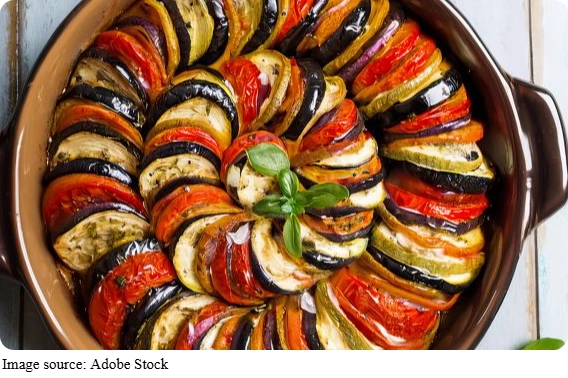
A visually appealing plate usually tastes better, too. Aim for a variety of vegetables, not just leafy greens. Roasted sweet potatoes, bell peppers, zucchini, and purple cabbage provide different nutrients and flavors. Steaming, roasting, or grilling vegetables can bring out their natural sweetness, adding layers of flavor without relying on meat. A colorful stir-fry or Buddha bowl is both a feast for the eyes and the palate.

4. Use Grains and Legumes for Substance
Grains like farro, barley, bulgur, or brown rice add bulk and texture, keeping you full for longer. Legumes, as mentioned, are versatile—they can be turned into hearty soups, blended into dips, or tossed in salads. Combining grains with legumes creates a balanced, satisfying meal with plenty of fiber, which is great for digestion and heart health.
5. Flavor is Everything
One of the biggest myths about vegan meals is that they're bland. Spices, herbs, and fermented ingredients can make a huge difference. Garlic, ginger, cumin, smoked paprika, and fresh herbs elevate dishes instantly. Nutritional yeast adds a cheesy, savory flavor to sauces and roasted vegetables. Even simple lemon juice or balsamic vinegar can brighten flavors and add complexity.
6. Experiment with Texture
Texture keeps meals interesting. Mixing creamy elements like mashed avocado or hummus with crunchy vegetables or toasted seeds adds contrast. Roasted chickpeas on a salad or a sprinkle of pumpkin seeds on a soup adds a satisfying crunch. Layering textures makes plant-based meals feel hearty and indulgent, even without meat.
7. Plan for Balanced Nutrition
A truly nutritious vegan meal doesn't just fill you up—it nourishes your body. Include a variety of protein sources, colorful vegetables, whole grains, and healthy lipids in each meal. Consider fortified plant milks for vitamin B12 and calcium. Adding a variety of legumes, nuts, and seeds ensures you're getting essential minerals like iron and zinc. Planning helps prevent nutritional gaps while keeping meals exciting.
8. Make Meal Prep Your Friend
Preparing ingredients in advance can make vegan cooking effortless. Roast a tray of mixed vegetables, cook a batch of grains, or prepare a lentil stew at the start of the week. Having ready-to-use components means you can assemble meals in minutes, making it easier to stick with nutritious eating habits.
Creating plant-based meals that are both delicious and nourishing doesn't require gimmicks or specialty products. With thoughtful combinations of proteins, grains, lipids, and vegetables, you can enjoy meals that satisfy every craving. Experiment with flavors, textures, and colors, and you'll find that vegan cooking can be just as exciting—and often more creative—than traditional recipes. It's a journey in discovering new ingredients and techniques, and each meal can be an opportunity to make food both beautiful and good for you.