Zermatt Magic Guide

Caroll Alvarado
| 16-04-2026
 · Travel Team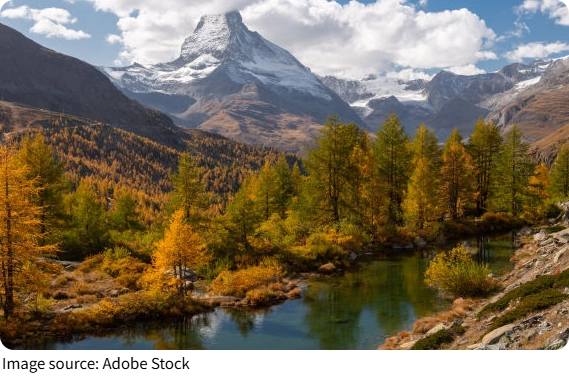
Imagine stepping off a train and finding yourself in a village where no cars exist, where the air feels crisp with pine and snow, and where a perfectly triangular mountain dominates every skyline.
That is Zermatt — a place that does not simply meet expectations, but quietly surpasses them before you even unpack your bag.
Zermatt, Switzerland
Getting There: Trains Only, No Exceptions
Zermatt is one of Switzerland's few car-free towns. Visitors must leave private vehicles at Täsch, the last drivable station, and continue by shuttle or train.
1. Zürich to Visp by SBB train: approximately $65–$90, journey time around 2.5 hours.
2. Visp to Zermatt via Matterhorn Gotthard Bahn cog railway: approximately $22–$35, around 1.5 hours.
3. Täsch Park & Ride shuttle to Zermatt: approximately $18 round trip, runs every 20 minutes.
4. The Swiss Travel Pass covers most of these routes and is highly recommended for multi-city travel.
Top Attractions and Entry Prices
Zermatt rewards those who look upward. Its mountain lifts deliver views that render words inadequate.
1. Matterhorn Glacier Paradise (Klein Matterhorn) — Europe's highest cable car station at 3,883 m. Open year-round, 9:00 AM – 4:30 PM. Round-trip ticket: approximately $110–$120.
2. Gornergrat Railway — A rack railway climbing to 3,089 m with views of 29 peaks and the vast Gorner Glacier. Operates from 7:00 AM daily. Round-trip: approximately $60–$75.
3. Sunnegga Paradise Funicular — Rises to 2,288 m in just 4 minutes underground. Ideal for hiking trails and the Leisee lake. Round-trip: approximately $40–$50.
4. Matterhorn Museum (Zermatlantis) — An underground museum telling the dramatic story of the Matterhorn's first ascent in 1865. Open daily 3:00 PM – 6:00 PM (until 8:00 PM in summer). Entry: approximately $12.
Where to Stay and Estimated Costs
Accommodation in Zermatt spans a wide range, though all carry a premium for the setting. Prices spike during peak ski season (December–March) and high summer (July–August).
1. Budget hostels and guesthouses — Options such as Zermatt Youth Hostel start from approximately $55–$80 per night, well-suited for independent travelers.
2. Mid-range hotels — Three-star properties like Hotel Antika or Hotel Daniela run approximately $180–$280 per night, often including breakfast.
3. Luxury hotels — Iconic properties such as The Omnia or Mont Cervin Palace range from $450 to over $900 per night, with spa facilities and unobstructed Matterhorn views.
Food in Zermatt
Zermatt offers a variety of Swiss cuisine with strong Alpine influences. Visitors can enjoy hearty dishes such as cheese-based meals, fresh bread, soups, and potato specialties. Many menus also include vegetarian-friendly options.
- Budget meals: $15–$25
- Mid-range dining: $30–$60 per person
- Fine dining: $70–$120+ per person
Best Time to Visit
Zermatt operates year-round, which makes it unusual among alpine destinations. Winter (December–April) draws skiers to over 360 km of pistes. Summer (June–September) is ideal for hiking the 400 km of marked trails, with long daylight hours and wildflower meadows replacing the snow. Shoulder seasons in May and early November see the fewest crowds and the most attractive room rates — often 30–40% lower than peak prices.
A Few Practical Notes
1. Currency is Swiss Franc (CHF); all prices here are converted to USD at approximate current rates.
2. Many restaurants and lifts accept major credit cards, but carry some cash for smaller mountain huts.
3. Weather changes quickly above 2,000 m — always bring a windproof layer regardless of the forecast below.
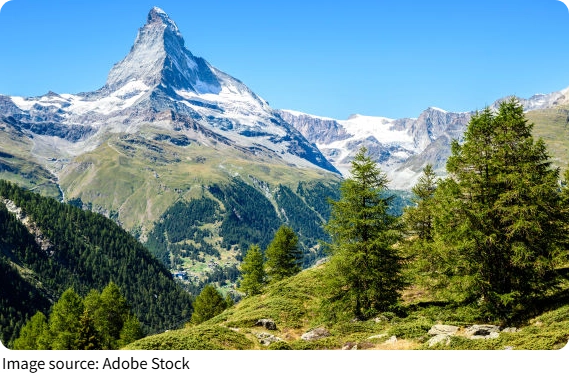
There is something quietly humbling about standing beneath the Matterhorn. It has watched climbers, dreamers, and travelers pass by for centuries, entirely indifferent to their ambitions.
Zermatt is not just a destination — it is an experience that invites you to slow down, look up, and truly appreciate the scale and beauty of nature.